
Crystalline lactulose is a purified form of lactulose, a non-absorbable synthetic disaccharide widely used to support digestive regularity and gut health. Probiotics are beneficial live microorganisms that help maintain a balanced intestinal microbiome. When crystalline lactulose is combined with well selected probiotic strains, the result is a complementary approach that can support bowel function, microbiome diversity, and overall digestive comfort. The points below explain key benefits, how the combination works, and how to use it thoughtfully for different needs and age groups.
In this article
How lactulose and probiotics work together
A complementary mechanism, prebiotic plus probiotic, that supports the microbiome from two directions
Crystalline lactulose functions as a prebiotic substrate, it reaches the colon largely intact because human digestive enzymes do not break it down efficiently. There, it is fermented by certain gut bacteria into short chain fatty acids and other organic acids. Probiotics introduce or reinforce beneficial strains, helping populate and stabilize the gut ecosystem. Together, lactulose can feed selected microbes while probiotics contribute targeted organisms, creating a synbiotic style effect that may be more consistent than either component alone.
This complementary approach can be particularly valuable when a person has reduced beneficial bacteria due to diet, stress, travel, antibiotics, or illness. While probiotics help add beneficial strains, their survival and activity can be improved when fermentable substrates are available. Lactulose helps create an environment and a fuel source that supports microbial activity, which can translate into more reliable functional outcomes for regularity and comfort.
Support for beneficial bacteria growth, especially bifidobacteria and lactobacilli
Lactulose is often described as bifidogenic, meaning it can encourage the growth of Bifidobacterium species. This matters because bifidobacteria are frequently associated with healthy bowel function, immune signaling, and reduced colonization by opportunistic microbes. When paired with probiotics that include Bifidobacterium and Lactobacillus strains, the substrate and organisms can reinforce one another.
In practical terms, this can lead to a more favorable microbial profile over time, especially when the combination is used consistently alongside a diet rich in diverse plant fibers. Rather than relying solely on adding microbes, which may not persist long term in every person, creating a supportive environment can help the existing beneficial population expand and continue functioning.
Increased production of short chain fatty acids that nourish the gut lining
Fermentation of lactulose by colonic bacteria can enhance short chain fatty acid production, including acetate and other acids that help maintain colonic health. These metabolites can support epithelial cell energy balance, mucus production, and barrier integrity. Probiotics can contribute to improved fermentation patterns and may increase the efficiency of converting substrates into beneficial metabolites.
A healthier gut barrier is not only about comfort, it is closely connected to nutrient absorption, immune communication, and resilience against irritants. While no supplement can replace a balanced diet, a lactulose plus probiotic combination can be a useful adjunct for people who need targeted support for gut function.
Gentle lowering of colonic pH that may discourage certain undesirable microbes
As lactulose is fermented, organic acids are produced, naturally reducing colonic pH. A lower pH environment tends to favor beneficial bacteria and can make conditions less favorable for some opportunistic organisms that prefer a higher pH. Probiotics can amplify this effect by producing lactic acid and other compounds, depending on the strains.
This is one reason synbiotic strategies are often used to restore balance after disruptions. It is not about sterilizing the gut, it is about shifting conditions toward a stable ecosystem that supports comfort, regularity, and normal digestive processing.
Support for the gut immune interface through microbiome balance and barrier integrity
A significant portion of the immune system is associated with the gut, where it interacts continuously with microbes and food antigens. Probiotics can help modulate immune signaling, promoting balanced responses. Lactulose can feed beneficial bacteria that produce metabolites supporting the epithelial barrier, which is a key part of immune defense and tolerance.
This does not mean the combination prevents illness, but it can support the foundational environment associated with normal immune function. People who experience frequent digestive upsets may find that consistent microbiome support improves overall resilience and day to day comfort.
Regularity and comfort
Improved bowel regularity through osmotic action plus microbiome driven fermentation
Lactulose is known for its osmotic effect, it draws water into the colon, softening stool and supporting regular movements. In addition, fermentation of lactulose produces organic acids that can stimulate colonic motility and contribute to stool normalization. Probiotics can further support regularity by modulating gut motility, enhancing mucus layer integrity, and influencing fermentation patterns, depending on the strains used.
This dual pathway is useful because constipation often has multiple contributors, including slow transit, low fiber intake, altered microbiota, and dehydration. A combination can address several of these factors simultaneously, improving the likelihood of a gentle, predictable effect. Many people also value that lactulose, when used correctly, is not a stimulant laxative and typically supports a more physiological bowel pattern.
Softer, easier stools without harsh stimulation, helpful for sensitive individuals
Some constipation solutions rely on stimulant mechanisms that can lead to urgency or cramping in sensitive users. Crystalline lactulose supports stool softening primarily by osmotic water retention and by fermentation products that encourage normal bowel activity. Probiotics can help reduce irregular patterns by contributing to intestinal barrier support and by balancing microbial metabolites that influence the gut nervous system.
For individuals who are prone to discomfort, a gradual dose approach can often provide relief while minimizing gas or bloating. The synergy may allow a lower lactulose dose to be used in some people because improved microbiome function can support better results with less product. Responses vary, so personalization and slow adjustments are key.
Better hydration in the colon, which can reduce straining and support comfort
Low stool water content is a common contributor to hard stools, straining, and hemorrhoid flare ups. Lactulose helps retain water in the bowel, which can reduce hardness and improve passage. Probiotics may support stool form by influencing mucin production and fermentation byproducts, which affect water handling and motility.
For optimal comfort, hydration and dietary fiber should be addressed at the same time. Lactulose can work even when fiber intake is low, but combining it with adequate fluid intake and a gradual increase in fiber often produces more stable results and may allow for lower supplement dosing.
Considerations for gas and bloating, understanding why they happen and how to reduce them
Gas is a natural byproduct of carbohydrate fermentation in the colon. Lactulose can increase fermentable substrate availability, which may temporarily increase gas, especially if the microbiome is not accustomed to it. Probiotics may help by shifting fermentation toward patterns that produce fewer uncomfortable symptoms, but adaptation can take time.
To reduce bloating risk, use smaller lactulose doses, take it with meals if tolerated, and avoid sudden large increases. If a person has significant baseline bloating, it may help to start probiotics first for a week or two, then add lactulose slowly. Individual responses differ, so careful experimentation within safe boundaries is often the best approach.

When the combination is most useful
Support during and after antibiotic use by helping reestablish microbiome balance
Antibiotics can reduce microbial diversity and temporarily impair fermentation and bowel function. Probiotics are commonly used during antibiotic courses to help reduce antibiotic associated digestive symptoms, and to support resilience. Adding a prebiotic like lactulose can help feed beneficial microbes once antibiotics are completed, encouraging recovery of normal metabolic activity and bowel patterns.
Timing can matter. Some people prefer to separate probiotic intake from antibiotic dosing by a few hours, and then continue probiotics after the antibiotic course. Lactulose can be introduced gradually, especially if the person is prone to gas. A healthcare professional can guide the best approach based on individual tolerance and medical history.
Potential support for irritable bowel patterns when the dose and strains are selected carefully
People with irritable bowel syndrome symptoms often have inconsistent motility and heightened sensitivity to gas or distension. Probiotics can help certain individuals by improving microbial balance and modulating immune signaling. Lactulose can improve constipation predominant patterns through stool softening and transit support, but it can also increase gas in some individuals because it is fermentable.
The benefit comes from personalization. Using crystalline lactulose in small, titrated doses and choosing probiotic strains with evidence for digestive comfort can reduce the chance of bloating. Some people may do better with lower lactulose amounts taken daily rather than larger amounts taken occasionally. Tracking symptoms and adjusting slowly can make the combination more tolerable.
A supportive option for older adults who often face constipation and microbiome changes
Aging is associated with changes in gut motility, dietary patterns, hydration status, medication use, and microbiome composition. Constipation becomes more common, and microbial diversity may decline. Lactulose can help improve stool frequency and softness, and probiotics can help maintain a healthier microbial balance.
Crystalline lactulose can be easier to standardize in dosing due to its consistent purity. Older adults may benefit from starting with a low dose and increasing slowly to avoid excessive gas. In the presence of multiple medications or chronic illness, coordination with a healthcare professional is important to ensure safe and appropriate use.
Useful support for people with low fiber intake or limited dietary variety
Many individuals do not consume enough diverse plant fibers, which are essential for feeding beneficial microbes. While improving diet is the primary goal, a lactulose plus probiotic combination can help bridge the gap during periods when dietary changes are difficult. Lactulose provides a fermentable substrate, and probiotics supply beneficial organisms that can use it or benefit from the resulting environment.
This can be especially relevant during travel, demanding work schedules, or recovery from illness, when diet quality temporarily drops. A structured supplement plan can help maintain regularity and reduce the likelihood of uncomfortable digestive slowdowns.
A balanced approach for different age groups, from children to adults to seniors
Digestive needs vary by age. Children can experience constipation due to diet changes, toilet training stress, or low fluid intake. Lactulose is sometimes used under medical supervision in pediatric settings because dosing can be adjusted gently. Probiotics may also be used to support gut balance, but strain selection and age appropriate dosing are important.
Adults often need support during travel, sedentary periods, high stress schedules, or after illness. Seniors may need routine strategies that consider hydration, mobility, and medication interactions. In every age group, the goal is comfortable regularity and a stable microbiome, not rapid laxation.
How the combination may support overall well being through the gut brain axis
The gut communicates with the nervous system through neural, immune, and metabolic pathways. Digestive discomfort and constipation can affect mood, energy, and sleep through stress signaling and physical discomfort. Probiotics have been studied for their potential influence on gut derived neurotransmitter precursors and inflammation related signaling, while prebiotics like lactulose can impact metabolite production that affects the gut environment.
While supplements are not mental health treatments, improving digestive comfort can have meaningful quality of life effects. Regular bowel habits reduce day to day stressors and support a sense of physical balance. Many users find that stable digestion supports better dietary choices, which further reinforces a positive cycle.
Using it well: dose, routine, expectations
Predictable dosing and product consistency with crystalline forms
Crystalline lactulose is typically manufactured for consistent composition and dosing accuracy. This helps users and health professionals titrate the dose to the smallest effective amount. Consistency matters because the goal is often a comfortable, regular stool pattern rather than a strong laxative effect.
When paired with probiotics in a carefully formulated product, users can follow a consistent routine, which is often more effective than sporadic use. A steady approach tends to support microbiome adaptation and can reduce fluctuations in symptoms.
Practical titration strategy, start low, go slow, and monitor response
Because lactulose is fermentable, a rapid increase can lead to gas, bubbling sensations, or bloating, especially in people who are sensitive. A practical strategy is to begin with a smaller amount, maintain it for several days, then adjust gradually based on stool frequency, stool form, and comfort. Probiotics can also be introduced gradually if the person is sensitive.
Helpful monitoring tips include tracking bowel movements, stool softness, abdominal comfort, and timing. If stools become too loose, the lactulose dose can be reduced. If there is no improvement after adequate dosing and hydration, reassessment of contributing factors such as low fluid intake, low mobility, or medication effects may be needed.
Better tolerance and outcomes when paired with supportive habits
The combination works best when integrated with basic digestive health habits. Adequate water intake supports lactulose osmotic effects. Gentle daily movement can improve gut motility. Eating a variety of fibers, such as vegetables, legumes, oats, seeds, and fruits, supports broader microbiome diversity beyond what lactulose alone can do.
Probiotics are also more likely to deliver noticeable benefits when the gut environment supports their activity. Consistent meal timing, stress reduction practices, and sufficient sleep can influence the gut brain axis and can reduce symptom flare ups, improving the overall experience with microbiome focused supplementation.
Strain selection matters, matching probiotic strains to the desired goal
Not all probiotics act the same way. Some strains are studied more for regularity support, others for gas reduction, immune modulation, or antibiotic associated symptoms. A formula that combines lactulose with carefully chosen strains can align the prebiotic substrate with the organisms most likely to benefit from it or from the environment it helps create.
When choosing a product, consider whether the probiotic includes clearly identified strains and adequate potency through end of shelf life. Storage conditions also matter. Some probiotics are stable at room temperature, others require refrigeration. Consistency in use is commonly more important than extremely high dose in most everyday wellness scenarios.
Setting realistic expectations, what benefits tend to appear first and what takes longer
Some effects of lactulose, such as softer stools and improved frequency, can occur within a day or two depending on dose and individual physiology. Probiotic effects can be more gradual, often requiring consistent use for several weeks to notice changes in comfort, regularity stability, or sensitivity. The combination may provide both near term functional support and longer term microbiome conditioning.
Realistic expectations help users stay consistent. If the main goal is relief from hard stools, lactulose dose adjustment is usually the primary lever. If the goal is broader digestive balance, probiotics and diet play larger roles. Many people benefit from using both, then maintaining results with lifestyle and periodic supplementation rather than continuous high dosing.
Practical daily routine tips for consistent results
Consistency matters. Many people do well taking probiotics at the same time each day, commonly with a meal for better tolerance, though some strains are designed for empty stomach use. Lactulose can be taken once or divided into smaller doses, depending on comfort and the goal. Dividing the dose can reduce gas and lead to a steadier effect.
Keep the routine simple. Choose a time that fits daily habits, pair it with adequate fluid intake, and track outcomes for the first two to three weeks. If regularity improves and remains stable, consider whether the same dose is still needed or whether a lower maintenance dose can sustain results.
Quality, safety and when to seek advice
When to seek medical advice, safety and red flag symptoms
While lactulose and probiotics are widely used, it is important to recognize situations that need medical guidance. Persistent constipation, severe abdominal pain, blood in stool, unexplained weight loss, fever, or sudden changes in bowel habits warrant professional evaluation. People with known bowel obstruction, severe inflammatory bowel disease flares, or complex medical conditions should consult a clinician before use.
Individuals with diabetes should check product specifics because lactulose is a sugar derivative, even though it is poorly absorbed, and formulations can vary. Those with galactose intolerance or other rare carbohydrate intolerance conditions should consult a healthcare professional. For immunocompromised individuals, probiotic use should be discussed with a clinician because rare complications have been reported in high risk settings.
Product quality considerations, purity, certification, and transparency
For crystalline lactulose, purity and consistent dosing are key. For probiotics, strain identity, viable count through end of shelf life, and appropriate packaging help ensure effectiveness. Look for products made under quality manufacturing standards and with clear labeling regarding dosage instructions and storage.
Transparency is especially important for combination products. The label should indicate the amount of lactulose, the specific probiotic strains, and the colony forming unit count. A reliable formula should also provide guidance on how to adjust dosage based on stool outcomes and tolerance.
Summary, why crystalline lactulose plus probiotics is a smart digestive support strategy
Crystalline lactulose combined with probiotics offers a structured, science aligned approach to digestive support. Lactulose helps by improving stool hydration and serving as a fermentable substrate that encourages beneficial microbial activity. Probiotics help by reinforcing healthy strains, stabilizing microbiome balance, and supporting barrier and immune functions. Together, they can improve regularity, comfort, and resilience, especially when used consistently and paired with hydration and fiber rich eating.
This combination is most effective when individualized. Start with gentle dosing, choose strains aligned with the goal, and allow time for adaptation. With thoughtful use, crystalline lactulose plus probiotics can help build a more comfortable digestive routine and a healthier gut environment that supports overall well being.
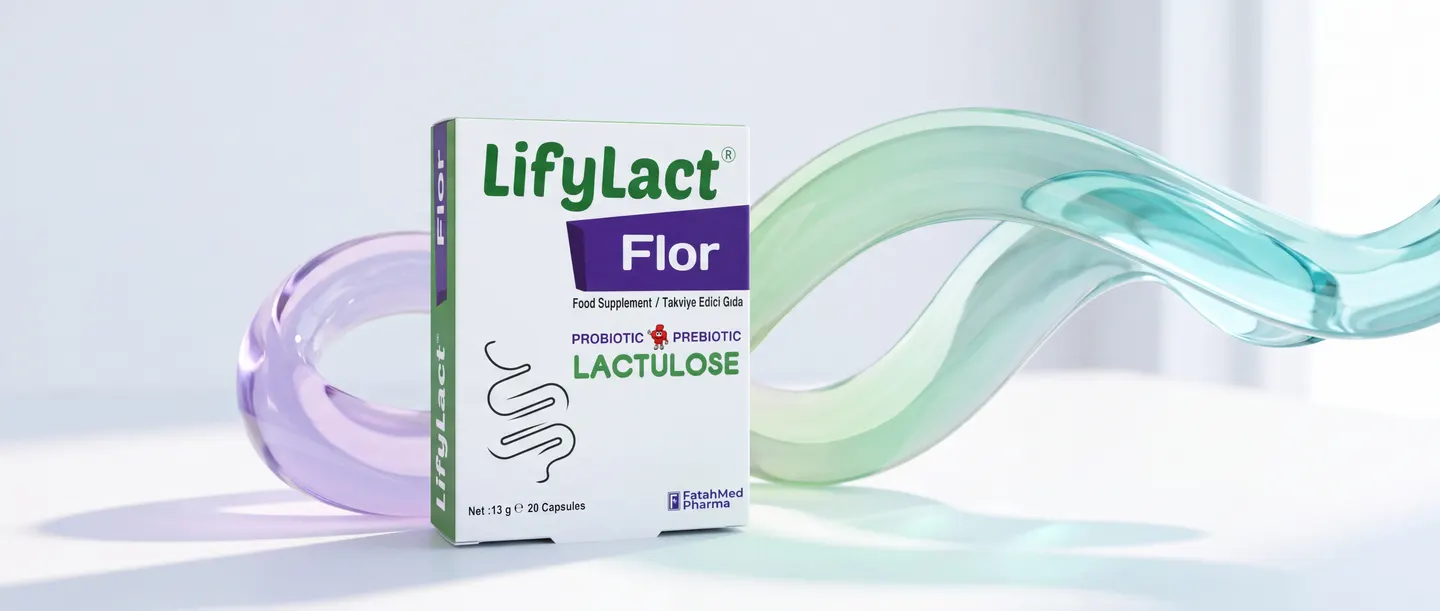
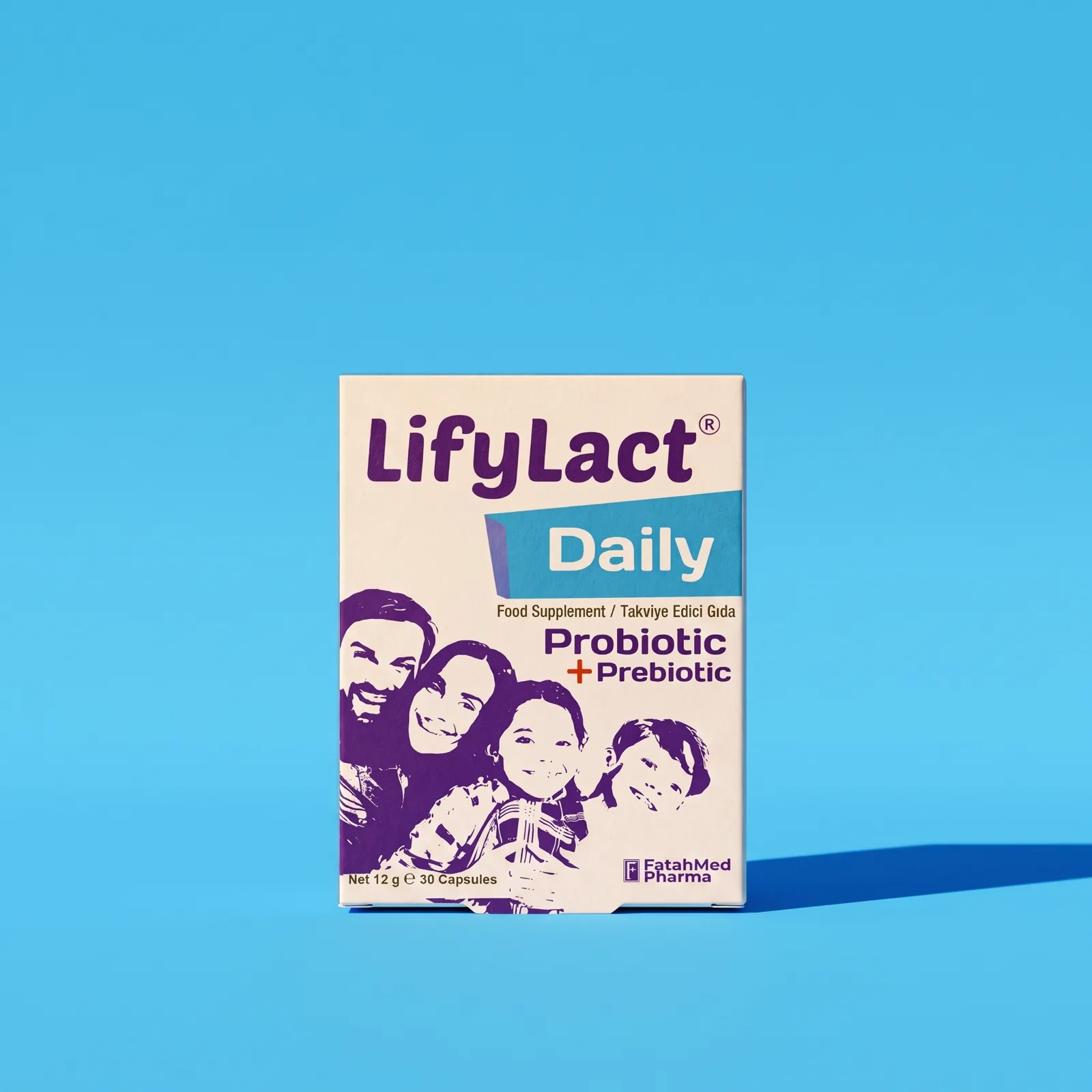
Published formulations this article relates to
Listed because they contain the components discussed — not as a claim about their effect.

Ingredient definitions
- Crystalline lactulose
- A purified, crystalline form of lactulose — a synthetic disaccharide that is not absorbed in the small intestine and is fermented by bacteria in the colon.
- Prebiotic
- A non-digestible ingredient that selectively feeds beneficial bacteria already present in the gut.
- Probiotic
- A live microorganism that, taken in adequate amounts, is intended to support the host.
- Short-chain fatty acids
- Organic acids such as acetate, propionate and butyrate produced when colonic bacteria ferment carbohydrates; the colon lining uses them as an energy source.
- Synbiotic
- A formulation that combines a probiotic and a prebiotic in one product.
References
No references were published with the original article. This section will carry citations once editorial review adds them; none are invented here.
Originally published by FatahMed: https://www.fatahmed.com/articles/crystalline-lactulose-probiotics-digestive-support. 2,590 words.