
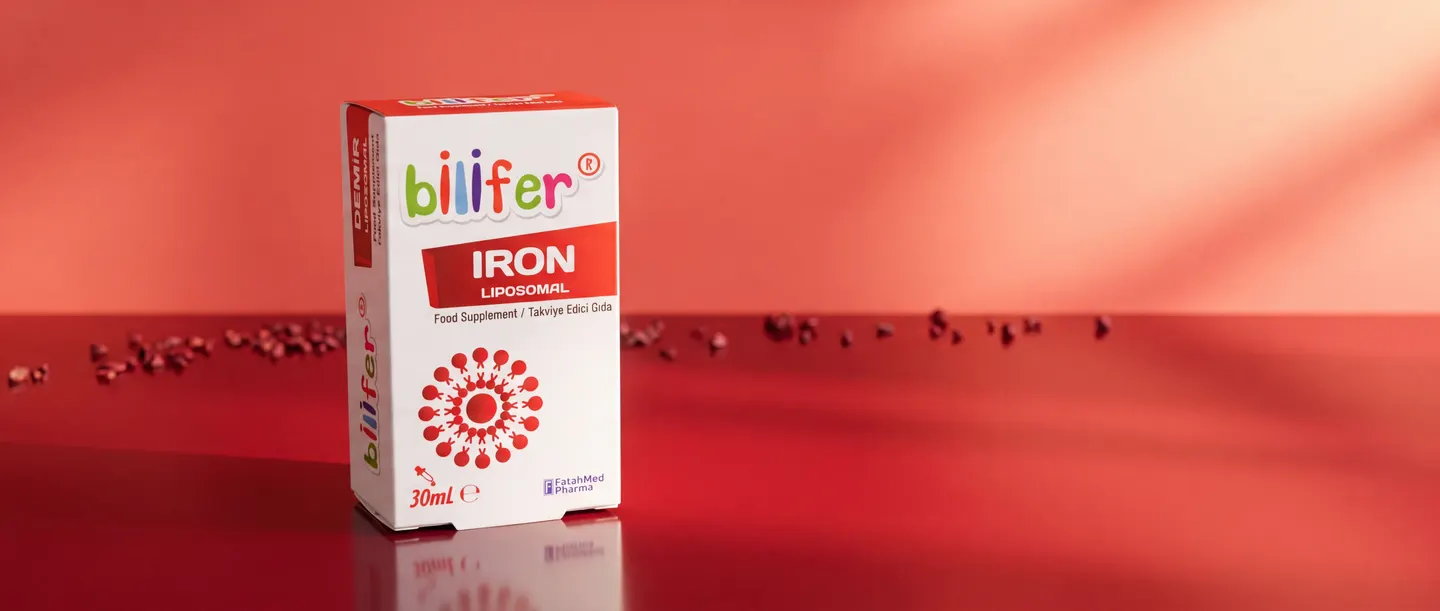
Children grow fast, learn fast, and burn through nutrients quickly, which makes iron one of the most important minerals for everyday wellness. Iron supports normal oxygen transport in the body, healthy energy metabolism, and cognitive development, especially during periods of rapid growth. Gentle iron drops are designed to provide iron in a child friendly format, with careful attention to tolerance, dosing accuracy, and ease of use for parents and caregivers. FatahMed Pharma focuses on high quality food supplements, vitamins, probiotics, and innovative health products that support well being across age groups. In children, nutrition can be challenging due to selective eating, rapid developmental changes, and varying needs during infancy, toddlerhood, and school age years. Gentle iron drops can be a practical option when dietary intake is not consistently meeting requirements, or when a healthcare professional recommends supplemental iron.
In this article
Why iron matters in childhood
Understand why iron matters in childhood
- Iron contributes to the formation of hemoglobin, a protein in red blood cells that helps carry oxygen throughout the body, supporting normal energy and activity levels.
- Iron supports brain development, attention, learning, and normal cognitive function, which are essential during infancy and early childhood when many foundational skills are developing.
- Iron supports normal immune function, helping the body respond appropriately to everyday challenges.
- During growth spurts, iron needs can rise because blood volume expands and new tissues form.
Recognize factors that can increase iron needs or reduce intake
- Rapid growth stages, including infancy, toddler years, and adolescence, can increase iron requirements.
- Selective eating patterns can limit iron rich food intake, especially if a child avoids meat, eggs, legumes, or iron fortified foods.
- Diet patterns with low iron density, such as high intake of refined grains and low intake of iron rich foods, may contribute to inadequate intake over time.
- Limited appetite during illness, transitions, or stressful periods can reduce overall micronutrient intake.
- Children consuming large amounts of cow’s milk may displace iron rich foods in the diet, making it harder to meet daily iron needs.
Learn the signs that may warrant a professional iron assessment
- Only a qualified healthcare professional can diagnose iron deficiency or recommend the right testing, but caregivers can be aware of common reasons to ask for evaluation.
- Signs that may prompt a discussion include persistent tiredness, low stamina, poor appetite, pale appearance, or difficulty concentrating, though these can also have many other causes.
- In infants and toddlers, delayed milestones, irritability, or feeding challenges can sometimes lead caregivers to ask about nutritional status, including iron.
- If there is a history of low iron, premature birth, low birth weight, or a restrictive diet, proactive screening may be recommended by a clinician.
Food first: dietary sources and meal planning
Know common dietary sources of iron and how they differ
- Heme iron is found in animal foods such as red meat, poultry, and fish and is generally absorbed more efficiently.
- Non heme iron is found in plant foods such as lentils, beans, spinach, pumpkin seeds, and iron fortified cereals, and its absorption is more affected by other dietary factors.
- Iron fortified foods, including many infant cereals and some breads and grains, can be a helpful contributor to total iron intake.
- For children who eat mostly plant based foods, planning becomes more important to support iron absorption and overall adequacy.
Pair iron with supportive nutrients for better absorption
- Vitamin C can enhance absorption of non heme iron, so pairing iron drops or iron rich meals with vitamin C rich foods like oranges, strawberries, kiwi, bell peppers, or tomatoes can be helpful.
- A balanced diet that includes adequate protein, folate, vitamin B12, and vitamin A supports healthy blood formation and overall nutrition.
- Many caregivers find it easier to offer iron drops alongside a small amount of fruit puree or juice that contains vitamin C, if approved by a healthcare professional and appropriate for the child’s age.
Support iron needs with meal planning, not supplements alone
- Supplements can help fill gaps, but long term nutritional success is stronger when daily meals provide reliable iron and complementary nutrients.
- Include iron rich options across the week, such as lean meat, chicken, fish, eggs, lentils, chickpeas, beans, tofu, and iron fortified cereals.
- Pair plant based iron foods with vitamin C rich produce at meals, such as lentils with tomato sauce, beans with bell peppers, or fortified cereal with berries.
- Use cooking methods that support nutrient density, for example, soups and stews with legumes and vegetables can be easier for young children to eat.
Iron plus vitamin C breakfast ideas
- Iron fortified cereal with sliced strawberries or kiwi.
- Scrambled egg with tomatoes and a small serving of fruit.
- Oatmeal with raisins and a side of orange slices, noting that raisins provide some iron and fruit adds vitamin C.
Lunch and dinner ideas for steady iron intake
- Lentil soup with tomato base, served with bell pepper strips.
- Turkey or chicken meatballs with a vegetable rich sauce.
- Chickpea and vegetable stew with lemon or tomato to support absorption.
Snack ideas that are child friendly
- Hummus with red pepper strips or cherry tomatoes.
- Fortified whole grain toast with nut or seed butter, if age appropriate and allergy safe, plus fruit.
- Bean based dip with citrus fruit on the side.

Choosing and understanding gentle iron drops
Understand what “gentle” can mean in iron drops
- Gentle iron drops are often formulated to be easier on the stomach, aiming to reduce unwanted effects like nausea or digestive discomfort.
- Gentle formulas may focus on palatability, with flavors that help children accept daily supplementation more easily.
- Gentle products typically emphasize precise dosing tools such as droppers or oral syringes, helping caregivers deliver consistent measured amounts.
- Even when a supplement is described as gentle, individual tolerance can vary, so monitoring and professional guidance remain important.
Choose the right product format and dosing method for your child
- Drops can be easier than tablets for infants and young children who cannot swallow pills, and they allow flexible dosing for smaller body sizes.
- Use the dosing tool provided with the supplement, such as a calibrated dropper or oral syringe, rather than a household spoon to avoid inaccurate amounts.
- Confirm the concentration on the label, because different products can provide different amounts of elemental iron per milliliter.
- If you switch brands, recheck dosing instructions carefully, because the same volume can deliver a different dose depending on concentration.
Understand labeling, quality, and certification considerations
- Look for clear labeling that states the amount of elemental iron per serving, recommended age range, and storage instructions.
- Choose supplements made by manufacturers focused on quality and good manufacturing practices, with transparent ingredient lists.
- Avoid unnecessary additives when possible, especially if a child has sensitivities, and confirm allergen information on the label.
- Check whether the product has been independently tested or meets recognized quality standards, which can increase confidence in consistency and purity.
Coordinate iron drops with probiotics and overall gut comfort
- Some children use probiotics to support digestive comfort, and caregivers often ask whether probiotics can be taken alongside iron.
- In many cases, supplements can be spaced out during the day to support comfort and routine, though specific recommendations should come from a healthcare professional.
- Maintaining a balanced gut friendly diet with fiber, fermented foods where appropriate, and adequate hydration can support overall digestive wellbeing.
- If a child has ongoing gastrointestinal symptoms, seek medical guidance to rule out underlying causes rather than relying only on supplements.
Using iron drops well, day to day
Follow safe supplementation practices and avoid overuse
- Iron is essential, but excessive iron can be harmful, so supplements should be used with appropriate guidance and correct dosing.
- Keep iron supplements out of reach of children and store them securely, since accidental ingestion can be dangerous.
- Do not combine multiple iron containing products unless a healthcare professional has confirmed that the total intake is appropriate.
- If a child is taking a multivitamin, check whether it already contains iron before adding separate iron drops.
Time iron intake thoughtfully to reduce interactions
- Calcium can interfere with iron absorption in some cases, so iron supplements are often separated from high calcium meals or dairy, depending on professional advice.
- Some foods and drinks contain compounds that can inhibit iron absorption, such as phytates in certain grains and legumes, or polyphenols in tea, though tea is not typically a child beverage.
- If a child experiences mild stomach upset with iron on an empty stomach, taking iron with a small snack may be considered, but absorption can be lower, so individualized guidance is useful.
- Consistency matters, giving iron drops at a similar time each day can help build routine and improve adherence.
Manage taste and acceptance in a practical way
- Some children dislike the taste of iron, so mixing drops with a small amount of food can help, but avoid mixing into a large bottle or full serving that the child may not finish.
- Use a small spoonful of puree, yogurt alternative, or a vitamin C rich puree if appropriate, so you can confirm the full dose is taken.
- If the product can stain, consider administering carefully toward the back of the mouth with an oral syringe, then offering water to rinse, following product guidance.
- Offer positive reinforcement and keep the routine calm and predictable, which can reduce resistance over time.
Protect teeth and minimize staining concerns
- Liquid iron can sometimes contribute to temporary tooth staining, especially if it lingers on the teeth.
- Administering drops with an oral syringe aimed toward the inside of the cheek can reduce contact with teeth.
- After dosing, offer a sip of water, brush teeth if appropriate for the child’s age, or wipe gums for infants, based on pediatric dental guidance.
- Using a straw for older children when iron is mixed into a beverage can reduce tooth contact, if the child can safely use a straw.
Use age appropriate strategies for different stages
- Infants may rely on breast milk or formula, and iron needs can change after about six months when stored iron decreases and complementary foods begin.
- Toddlers often have fluctuating appetite and strong food preferences, so offering small portions of iron rich foods repeatedly can help normalize acceptance.
- Preschool and school age children may benefit from structured meal routines, balanced lunches, and nutritious snacks that include iron sources.
- Adolescents experience rapid growth and, in some cases, increased iron needs, which makes attention to diet quality and screening important when advised.
Create a safe, consistent routine that encourages adherence
- Choose a daily moment that is calm and predictable, such as after breakfast or before bedtime, depending on what works best for the child and any professional advice.
- Use a simple checklist or reminder to prevent missed doses or accidental double dosing.
- For families with multiple caregivers, keep the dosing tool and instructions in a consistent place and communicate clearly about when the dose is given.
- Make the routine supportive rather than stressful, consistency over weeks is often more important than perfection on any single day.
Tracking progress, digestion and safety
Expect a gradual timeline and track progress responsibly
- When iron supplementation is recommended for low iron status, improvements often take time, and follow up may be needed to confirm the response.
- Track everyday changes such as energy, appetite, sleep patterns, and school focus, but avoid assuming that every change is due to iron alone.
- Follow up testing, if recommended, helps ensure iron stores are restored appropriately and supplementation is adjusted or discontinued at the right time.
- Do not stop early without guidance if iron was prescribed for a documented deficiency, since rebuilding iron stores can require sustained intake even after symptoms improve.
Address common concerns about digestion
- Iron can sometimes cause constipation, darker stool color, or mild stomach changes, and caregivers should know these effects can occur even with gentle formulas.
- Ensure adequate fluid intake and fiber rich foods such as fruits, vegetables, and whole grains appropriate for the child’s age to support comfortable digestion.
- If digestive side effects are significant, consult a healthcare professional about timing, dose adjustments, or alternative forms of iron.
- Do not attempt to self treat ongoing constipation with repeated changes in dosing without advice, since maintaining appropriate iron intake is important.
Know when to seek immediate help and what to avoid
- Seek urgent help if accidental ingestion of large amounts of iron is suspected, as iron overdose is a medical emergency.
- Do not leave iron supplements in accessible areas such as purses, bedside tables, or kitchen counters, even if the cap seems secure.
- Avoid guessing doses based on age alone, dosing should consider the product’s concentration and the child’s individual needs.
- Do not use adult iron products for children unless a healthcare professional explicitly instructs it, since dosage strength may be inappropriate.
Partner with healthcare professionals for personalized guidance
- Pediatricians and qualified healthcare professionals can recommend whether supplementation is needed, what dose is appropriate, and whether testing is required.
- Follow up is important, especially if iron was started due to a documented deficiency, to confirm that levels and stores improve appropriately.
- If a child has chronic medical conditions, takes medications, or has a history of prematurity or feeding difficulties, professional guidance can help tailor decisions.
- Bring the supplement label to appointments, including concentration and ingredients, so advice can be specific and accurate.
Can gentle iron drops be used for picky eaters?
- They can be considered when dietary patterns make it difficult to meet needs, but it is best to confirm necessity and dose with a healthcare professional.
- Long term success still benefits from gradually expanding iron rich foods in the diet, using repeated exposure and positive role modeling.
What if my child misses a dose?
- Follow the product directions or your healthcare professional’s advice, and avoid double dosing unless instructed.
- A consistent routine reduces missed doses, which is especially important during periods of supplementation for low iron.
Should iron drops be taken with milk?
- Milk and other high calcium foods can interfere with absorption for some children, so spacing iron away from dairy is often suggested, depending on professional guidance.
- If the child’s stomach is sensitive, a clinician can suggest the best approach to balance tolerance and absorption.
Why does stool color change?
- Darker stool can occur with iron supplementation and is often harmless, but any concerning symptoms should be discussed with a healthcare professional.
Key takeaways for families focused on healthy growth
Supporting children’s nutritional needs requires a blend of balanced meals, consistent routines, and targeted supplementation when appropriate. Gentle iron drops can be a valuable tool for families seeking to maintain healthy iron intake, especially during growth spurts, selective eating phases, or periods when a healthcare professional identifies increased need. With careful dosing, thoughtful timing, and a diet that includes iron rich foods paired with vitamin C, families can support energy, learning, and overall wellbeing in a practical and child centered way.
- Iron is a cornerstone nutrient for oxygen transport, energy metabolism, cognitive development, and immune support in growing children.
- Gentle iron drops offer a flexible, child friendly approach to supplementation when dietary intake is not meeting needs or when recommended by a clinician.
- Accuracy and safety are essential, use the provided dosing tool, store supplements securely, and avoid combining multiple iron products without guidance.
- Maximize benefits by pairing iron with vitamin C rich foods, spacing it thoughtfully from high calcium intake when advised, and building a balanced diet that includes iron rich meals.
- Partnering with healthcare professionals helps ensure the right dose, the right timeline, and the right follow up for your child’s individual needs.
Published formulations this article relates to
Listed because they contain the components discussed — not as a claim about their effect.
Ingredient definitions
- Heme iron
- Iron found in animal foods such as red meat, poultry and fish, generally absorbed more efficiently than plant-based iron.
- Non-heme iron
- Iron found in plant foods such as lentils, beans, spinach and fortified cereals; absorption is influenced by other components of the meal.
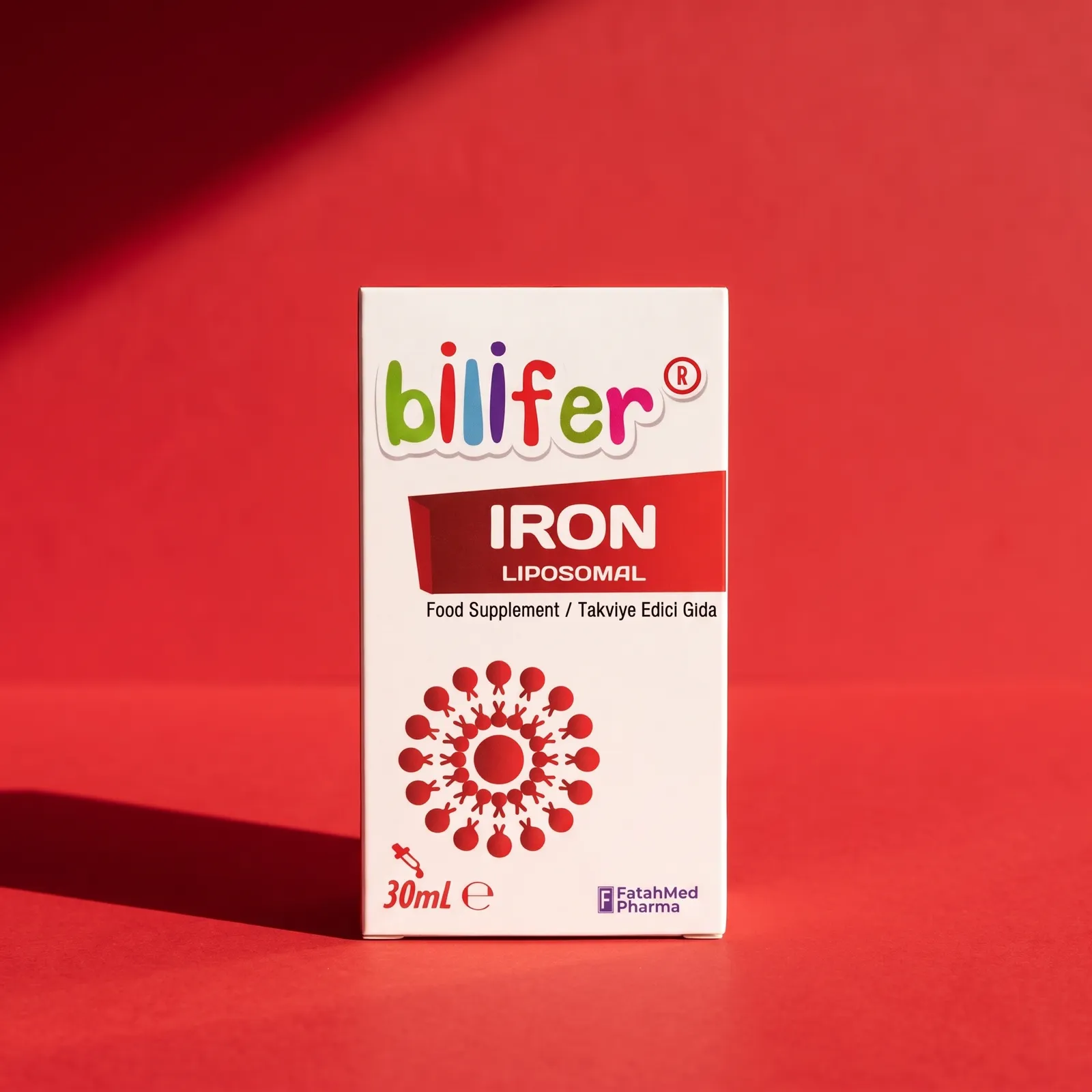
- Liposomal / microencapsulated iron
- A delivery format that encapsulates iron before it reaches the gut — a formulation choice intended to affect taste and tolerability, not a claim about any specific product’s effectiveness.
References
Originally published by FatahMed: https://www.fatahmed.com/articles/microencapsulated-iron-drops-for-children. 2,333 words.