
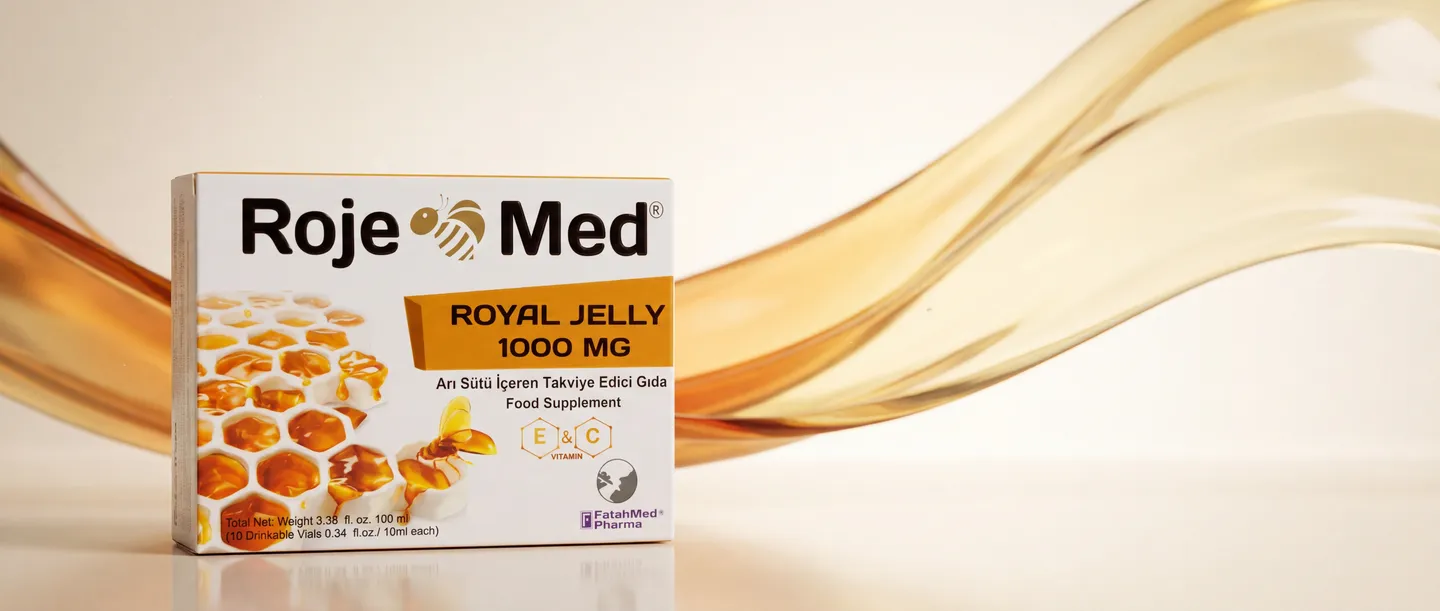
Royal jelly is a nutrient rich substance produced by worker bees and used to nourish the queen bee. In supplement form it is used by many adults and families as part of a wellness routine that aims to support energy, immune resilience, skin health, and general vitality. Because families include different ages, health conditions, and daily needs, the most helpful way to approach royal jelly is with clear, actionable tips that prioritize product quality, appropriate dosing, and safety.
In this article
What royal jelly is — and is not
Understand what royal jelly is, and what it is not
Royal jelly contains proteins, peptides, lipids, sugars, vitamins, minerals, and bioactive compounds, including a fatty acid often referenced as 10 HDA. These components are part of why royal jelly is a subject of ongoing research. At the same time, royal jelly is not a medicine, it is not a substitute for a balanced diet, and it will not replace treatment for chronic conditions. For adults and families, the best mindset is to use it as a supportive supplement alongside good nutrition, sleep, activity, and clinician guided care where needed.
Choose the form that fits your household, fresh, freeze dried, capsules, gummies, or liquid
Royal jelly supplements come in multiple formats, and choosing the right one improves consistency and reduces waste. Fresh royal jelly is usually kept refrigerated and can be mixed with honey or taken alone, but it is more sensitive to storage conditions. Freeze dried royal jelly powders and capsules are often more convenient and stable for busy schedules. Gummies can be easier for adults who dislike swallowing pills, but they often contain added sweeteners and lower doses. Liquids and ampoules may be convenient for travel, but always verify storage temperature and shelf life. Families often do best with capsules for adults, and a separate plan for children that is approved by a pediatric clinician when appropriate.
Prioritize product quality, testing, and transparent labeling
Quality varies widely. Look for clear labeling of the royal jelly amount per serving, the source, and whether it is fresh or freeze dried. If the label mentions standardization, verify what is standardized, for example a stated percentage of 10 HDA. Choose products made by manufacturers that follow good manufacturing practices and provide third party testing for contaminants such as heavy metals, pesticides, and microbial load. This matters for all adults, and especially for pregnant people, older adults, and families seeking a product they can trust for long term routines.
Check allergen risk carefully, especially for families
Royal jelly can trigger allergic reactions, sometimes severe, particularly in people with asthma or allergies to bee products. Allergic responses can include itching, hives, swelling, wheezing, or difficulty breathing. Families should treat allergy screening as non negotiable. If anyone in the home has a history of anaphylaxis, significant seasonal allergies, asthma, or known reactions to honey, propolis, or bee stings, speak with a healthcare professional before trying royal jelly. When trying any new supplement, start with the smallest reasonable amount and observe for reactions, and avoid introducing multiple new products at the same time.
Use age appropriate guidance, children are not small adults
Adults can typically follow labeled directions, but children require more caution. There is less robust dosing research in children, and the allergy risk may be more concerning. If a family is considering royal jelly for a child, especially under age 12, consult a pediatric healthcare professional first. In many households, the safest approach is for adults only, while children focus on food based nutrition and physician recommended supplements like vitamin D or iron when indicated. If a clinician approves use in older children or teens, choose a low dose product with minimal additives and keep a close eye on tolerance.
Using royal jelly well
Start low, track response, then decide whether to continue
Many supplement routines fail because people start with a high dose and then stop due to side effects or inconsistency. A more reliable approach is to begin with a low dose for one to two weeks, track basic outcomes, then adjust. Outcomes worth tracking include energy, sleep quality, digestive comfort, skin irritation, and any allergy like symptoms. If there is no meaningful benefit after a reasonable trial, for example four to eight weeks, it may not be worth continuing. This structured approach helps families avoid placebo driven habits and reduces the chance of unnecessary supplement stacking.
Pay attention to timing, morning, with food, or split dosing
People take royal jelly at different times. Some prefer mornings because they associate it with energy and daytime focus. Others take it with meals to reduce stomach discomfort. If an adult experiences mild nausea on an empty stomach, taking it with breakfast is often a simple fix. Split dosing, for example half in the morning and half in the afternoon, can be useful if the product’s serving size feels too strong at once. Avoid late evening use if it seems to make you feel more alert than usual, because sleep quality is a key part of any wellness goal.
Build a family friendly routine that supports consistency
Consistency matters more than intensity. Adults can integrate royal jelly into an existing habit, such as taking it after brushing teeth in the morning, or alongside breakfast. For family households, keep the supplement in a clearly labeled area and out of reach of children, especially if it resembles candy or gummies. Use a weekly pill organizer for adults if multiple supplements are used. If more than one adult is taking royal jelly, consider a simple shared log that notes the brand, dose, and start date. This makes it easier to identify what is helping, and what may be causing side effects.
Be realistic about benefits, focus on supportive health goals
Royal jelly is often marketed broadly. A practical approach is to align expectations with measurable, supportive outcomes. Adults may look for perceived steadier energy, improved skin texture, better recovery after busy weeks, or seasonal immune support. Families may focus on helping adults stay resilient during high stress periods, travel, or seasonal changes. If you are using royal jelly because of a specific medical concern, discuss it with a clinician so that it complements, rather than competes with, an evidence based plan.
Smart dosing mindset for adults
Since products vary, use the label as the primary guide, but apply a cautious framework. Start low, stay consistent, and only increase if you tolerate it well and have a clear reason. More is not always better, and higher doses can raise the chance of digestive upset or allergic symptoms. If you miss a day, do not double up. If you are adding royal jelly to a routine that already includes vitamins, probiotics, or other food supplements, keep a simple list so you can avoid overlapping ingredients and keep the plan easy to manage.

Side effects, interactions and who should be cautious
Understand possible side effects and when to stop
Besides allergic reactions, some people report stomach upset, diarrhea, nausea, headache, or skin rashes. If mild digestive discomfort occurs, reduce the dose, take it with food, and reassess. Stop immediately if any signs of allergy occur, especially swelling of the lips or face, wheezing, chest tightness, or trouble breathing, and seek urgent care for severe symptoms. Families should also pause supplementation if a child accidentally ingests an adult dose, and contact a medical professional or poison control for advice based on the product and the amount.
Consider interactions and special populations, pregnancy, breastfeeding, chronic conditions
Adults with chronic conditions or those taking medications should consider potential interactions. While evidence is limited, caution is reasonable for people using blood thinners, those with hormone sensitive conditions, and those with autoimmune disorders where immune modulation may be relevant. Pregnant and breastfeeding individuals should avoid starting new supplements without clinician approval, due to limited safety data and higher sensitivity to contaminants. Older adults, especially those managing multiple medications, may benefit from pharmacist review to prevent overlapping ingredients and to ensure the supplement fits their health plan.
When royal jelly may not be a good fit
- Known allergy to bee products: , honey, propolis, or severe pollen allergies.
- Uncontrolled asthma: , or history of severe allergic reactions.
- Pregnancy or breastfeeding without clinician approval: , due to limited safety data and contamination concerns.
- People taking multiple medications: who cannot confirm compatibility with a pharmacist or clinician.
- Anyone expecting rapid medical results: , especially for diagnosed conditions that require targeted treatment.
Making it family safe at home
Household safety is as important as product choice. Store supplements in a locked cabinet or a high shelf. Keep original containers, because they include dosing instructions and lot information. Teach children that supplements are not candy, even if they look like gummies. Avoid leaving daily doses on counters. If grandparents or visiting relatives bring supplements, ensure they also follow the home storage system. This simple structure prevents accidental ingestion and reduces confusion about what each person is taking.
How to read a royal jelly label
Evaluate labels for added ingredients, sugar, stimulants, and proprietary blends
Not all royal jelly supplements are single ingredient products. Some combine royal jelly with honey, propolis, ginseng, caffeine like botanicals, or multiple vitamins. This can be convenient, but it can also increase allergy risk and make it harder to identify what causes side effects. For families, simpler is usually safer. Watch for high sugar content in syrups or gummies, especially if adults are managing weight, blood sugar, or dental health. Avoid proprietary blends that do not disclose exact amounts, because dosing transparency is essential for responsible use.
Store it correctly to protect potency and reduce spoilage
Storage depends on the form. Fresh royal jelly often requires refrigeration and protection from light. Freeze dried powders and capsules usually store well in a cool, dry place, away from humidity. Always follow the label because certain products recommend refrigeration even after opening. In family homes, store supplements separately from food to avoid accidental use by children, and keep them tightly closed to prevent moisture from degrading the product. Discard anything with an unusual odor, visible clumping from moisture, or expired dates, especially for products that require cold storage.
A label checklist
- Look for the exact amount per serving: , for example mg of royal jelly or freeze dried equivalent.
- Check whether it states fresh or freeze dried: , and if it provides an equivalency ratio.
- Find quality signals: , such as good manufacturing practices, third party testing, batch number, and expiration date.
- Scan for allergens: , bee products, pollen, propolis, and cross contamination statements.
- Review additives: , colors, flavors, sweeteners, gelatin source, and preservatives.
- Verify storage instructions: , room temperature versus refrigeration requirements.
Building a realistic routine
Combine royal jelly with evidence based foundations, nutrition, probiotics, vitamins, and lifestyle
Royal jelly fits best as a supporting piece. Adults often see better results when the overall plan includes adequate protein, hydration, fiber, and a diverse diet. If the family already uses food supplements like vitamin D, omega 3, magnesium, or a probiotic, ensure that each has a clear purpose. Stacking many products without a goal increases cost and confusion. Consider pairing royal jelly with simple lifestyle habits, such as a daily walk, consistent sleep window, and stress management. These foundations amplify the value of any supplement and improve long term family health outcomes.
Reassess every few months, and use a stop, start strategy to confirm value
Many people keep buying supplements by habit. A better method is reassessment. After eight to twelve weeks, evaluate whether royal jelly has delivered noticeable benefits. If you are unsure, pause for two to four weeks and observe changes, then restart if appropriate. This stop, start method can clarify whether the supplement is helping or if the perceived benefit was due to unrelated improvements like better sleep or a seasonal shift. Families can apply the same principle to keep routines lean, cost effective, and focused on what genuinely supports well being.
Scenario A, busy working adults looking for steadier energy
If two adults in a household want support for energy and resilience, choose a tested freeze dried capsule product with clear dosing. Start with a low dose for one week. Take it with breakfast, track energy and sleep, and avoid combining it with new caffeinated supplements. Reassess after six weeks. If sleep declines or jitteriness appears, shift to earlier timing or reduce the dose. Keep the routine consistent, because sporadic use makes it difficult to judge results.
Scenario B, seasonal wellness support during travel and school periods
Often adults want to strengthen routines when travel, work deadlines, and school schedules increase exposure to stress. Royal jelly can be part of a travel kit for adults, but storage and form matter. Choose shelf stable capsules, keep them in original packaging, and avoid liquids that may require refrigeration. Maintain hydration, prioritize sleep, and keep meals balanced. If children in the home are not using royal jelly, focus their support on food based nutrition, regular sleep, and pediatrician approved vitamins where necessary.
Scenario C, families with allergy history
If anyone has asthma, eczema, or known allergy history, royal jelly requires extra caution. Speak to a clinician before starting. If approved, select a single ingredient product, start with a very small amount, and avoid introducing other new products that week. Keep antihistamine guidance and emergency contacts available according to your clinician’s advice. If any reaction appears, stop immediately. In many cases, families with strong allergy history may choose alternative supplements with lower allergen potential.
Scenario D, older adults focused on vitality and recovery
Older adults may be interested in royal jelly for general vitality. Because polypharmacy is common, review the plan with a pharmacist. Choose a moderate dose, take it with food, and avoid products that combine royal jelly with many stimulatory herbs. Track blood pressure, sleep, and digestion. If the adult is using anticoagulants or has complex medical conditions, clinician oversight is essential before starting.
Pairing royal jelly with complementary wellness choices
- Balanced breakfast: , take royal jelly with a meal that includes protein and fiber to support steady energy.
- Probiotic routine: , if tolerated, probiotics can support digestive comfort, which often influences how people experience supplements.
- Vitamin D and zinc when indicated: , use evidence based supplementation guided by lab results or clinician advice.
- Hydration: , dehydration can mimic fatigue, so improve water intake before assuming you need more supplements.
- Sleep consistency: , a stable bedtime is often the biggest driver of immune resilience and mood.
Bottom line for adults and families
Royal jelly supplements can be a thoughtful addition to an adult wellness routine when chosen carefully and used consistently. The most successful family approach emphasizes product quality, allergy screening, simple dosing, and regular reassessment. With clear goals and safe habits, royal jelly can fit into a broader plan that includes scientifically formulated food supplements, vitamins, probiotics, and lifestyle foundations that support health at every age.
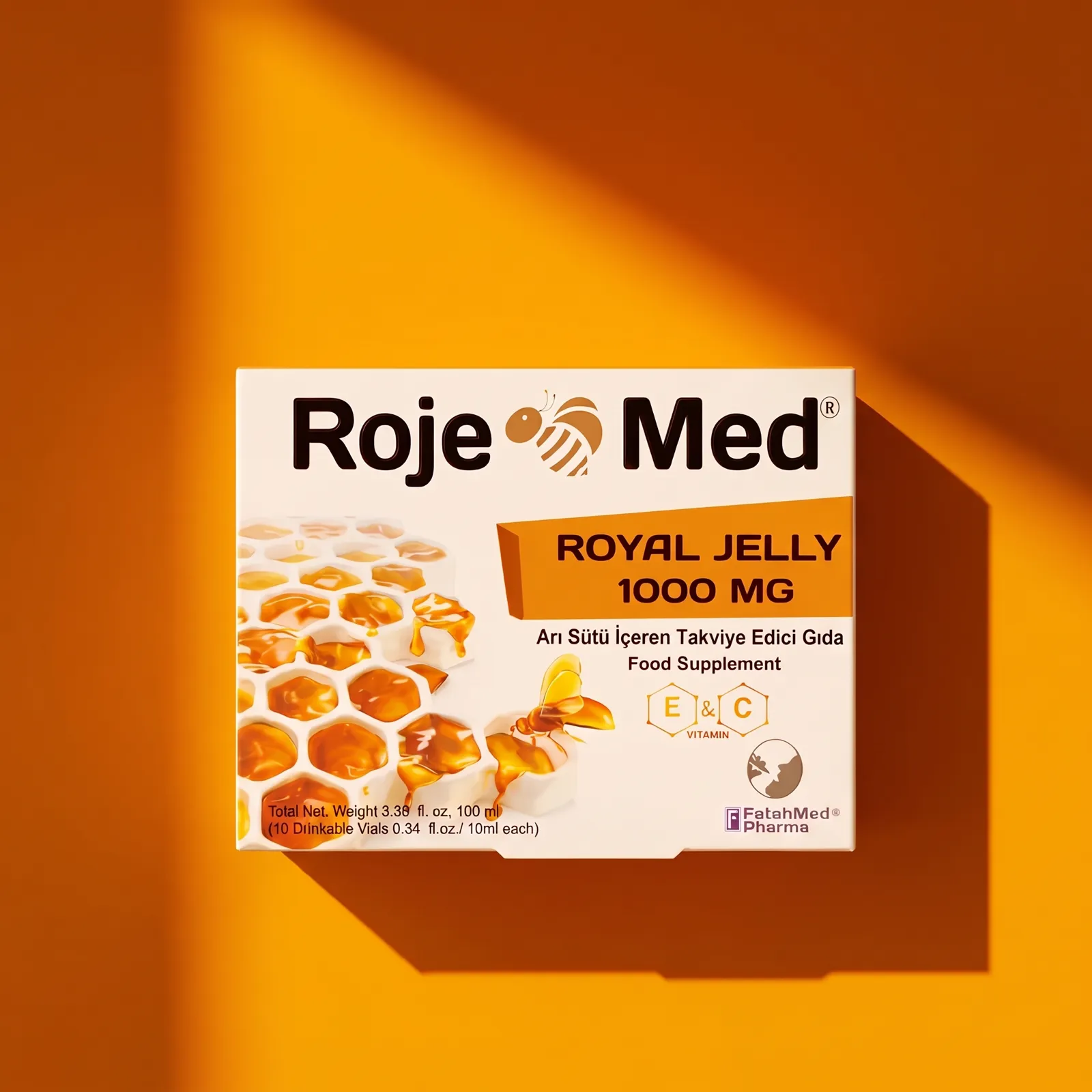
Published formulations this article relates to
Listed because they contain the components discussed — not as a claim about their effect.
Ingredient definitions
- Royal jelly
- A nutrient-rich substance produced by worker bees and used to nourish the queen bee; in supplements it appears fresh, freeze-dried, or blended into other formats.
- 10-HDA
- A fatty acid found in royal jelly, often used on labels as a marker of royal jelly content.
- Freeze-dried (lyophilised)
- A processing method that removes water from fresh royal jelly; labels often state an equivalency ratio to fresh royal jelly.
References
No references were published with the original article. This section will carry citations once editorial review adds them; none are invented here.
Originally published by FatahMed: https://www.fatahmed.com/articles/royal-jelly-supplements-for-adults-and-families. 2,239 words.